














































Australian winters can be unforgiving on window performance. Cold frames, perimeter discomfort, and condensation complaints often show up first, not in modelling, but on site and post‑occupancy. This article explains why thermally broken aluminium frames matter in winter, and where they deliver the most value in real buildings.
Why winter exposes window weaknesses
In parts of Australia, winter is where window performance is truly tested. Long nights, low sun angles, cold, clear mornings and sustained heating periods all combine to expose weaknesses that might go unnoticed in milder seasons.
Winter discomfort often isn’t about average indoor temperature; it’s about what happens at the edges of rooms. Cold perimeter zones, draughts near glazing, and condensation on frames tend to show up first around windows. Aluminium frames, in particular, can become a weak link if their thermal behaviour isn’t carefully considered.
This is where thermally broken aluminium windows earn their keep. Their value in winter goes well beyond abstract ideas of “energy efficiency” and into everyday occupant experience, condensation control, and long-term durability.
What goes wrong with non-thermally broken aluminium in winter
The heat flow pathway
Aluminium is an excellent conductor of heat. Cold outdoor temperatures are actively drawing heat through a continuous aluminium frame, bypassing insulation and removing heat from within the building.
This isn’t a glazing problem; it’s a frame problem. Even high-quality double glazing can be undermined by a frame that provides an easy shortcut for heat loss.
Cold internal surfaces and radiant discomfort
Internal surface temperature matters in winter because people don’t just feel air temperature; they feel the temperature of nearby surfaces.
When the internal face of a window frame is cold, it draws heat from the occupants nearby. This creates a sense of chill even when the thermostat says the room is “warm enough”. Desks get moved away from windows, blinds stay closed all day, and perimeter spaces become underused.
Thermally broken frames help raise internal frame surface temperatures, reducing that cold zone effect and making spaces near windows more comfortable to occupy.
Condensation risk and why it matters
Condensation forms when moist indoor air meets a surface that is cold enough, which is commonly known as the dew point temperature. In winter, aluminium frames without thermal breaks are often the coldest surfaces in the room.
Condensation on frames and sills isn’t just an aesthetic issue. It can lead to:
- Mould growth at frame edges and adjacent linings
- Staining or degradation of timber reveals the plasterboard
- Swelling or delamination of internal finishes
- Occupant complaints and maintenance call-backs
Winter benefits of Thermally Broken windows, that really matter:
- Improved perimeter comfort
Warmer internal frame surfaces reduce cold zones near windows, making rooms feel usable right up to the glass. - Better condensation control at the frame
By interrupting heat flow, thermally broken frames reduce the likelihood of cold surfaces where condensation first appears. - More durable internal finishes
Less moisture at frame edges means less risk to linings, reveals, sealants and coatings over time. - Greater tolerance to real-world use
Buildings are lived in, not modelled. Thermally broken frames are more forgiving when occupants cook, shower, dry clothes indoors, or under-ventilate in winter.
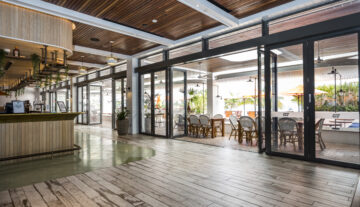
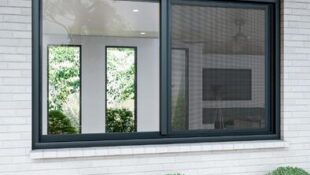
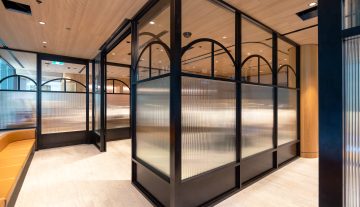
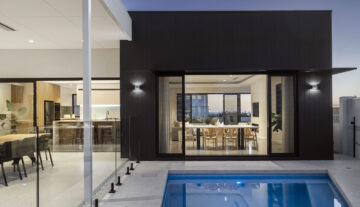
Alspec have a full range of thermally broken windows and doors, using the world-leading Technoform thermal breaks. Our thermally broken systems include the ThermAFrame commercial and the Carinya Comfort range of residential windows and doors.